

In an era where collectors increasingly seek meaning alongside rarity, a new wave of valuable collections is capturing global attention. From the enigmatic Swayils to the refined appeal of Mona Lana and the timeless allure of legendary palms, these collections are not just about ownership—they represent identity, history, and evolving taste. As enthusiasts turn toward curated platforms like https://blowthoseleaves.com/, the appreciation for unique botanical and cultural assets continues to expand, blending aesthetics with long-term value.
What distinguishes these collections in 2026 is the intersection between natural heritage and modern collecting culture. Items that once belonged to niche communities are now entering mainstream awareness, driven by digital exposure, environmental consciousness, and a renewed interest in authenticity. Collectors are no longer satisfied with mass-produced goods; they are drawn to items that tell a story, carry provenance, and offer a sense of exclusivity.
The Rise of Niche Collections and Their Cultural Significance
Swayils, often regarded as rare and highly distinctive collectibles, have become emblematic of this shift toward niche appreciation. While once confined to specialized circles, they are now gaining broader recognition due to their uniqueness and symbolic value. Their appeal lies not only in scarcity but also in the narratives attached to them—stories of origin, craftsmanship, and cultural context.

Similarly, Mona Lana has emerged as a collection category that blends artistry with subtle sophistication. Known for its refined aesthetic and meticulous detail, Mona Lana pieces attract collectors who value understated elegance. The growing demand for such collections reflects a broader trend: a move away from overt luxury toward items that communicate taste through nuance.
Legendary palms, on the other hand, represent a fusion of nature and legacy. These iconic botanical specimens are prized not just for their visual appeal but also for their longevity and resilience. In many cultures, palms symbolize endurance, prosperity, and connection to the environment. Collecting them is as much about stewardship as it is about ownership.
This shift toward meaningful collections is reinforced by a growing awareness of sustainability. Collectors are increasingly mindful of the environmental impact of their choices, favoring items that align with eco-conscious values. As a result, natural and botanical collections are experiencing a resurgence, supported by both ethical considerations and aesthetic appeal.
Investment Potential and Market Dynamics in 2026
Beyond their cultural value, collections like Swayils, Mona Lana, and legendary palms are gaining recognition as alternative investment assets. In a volatile global economy, collectors are diversifying their portfolios by investing in tangible items that hold intrinsic and emotional value.
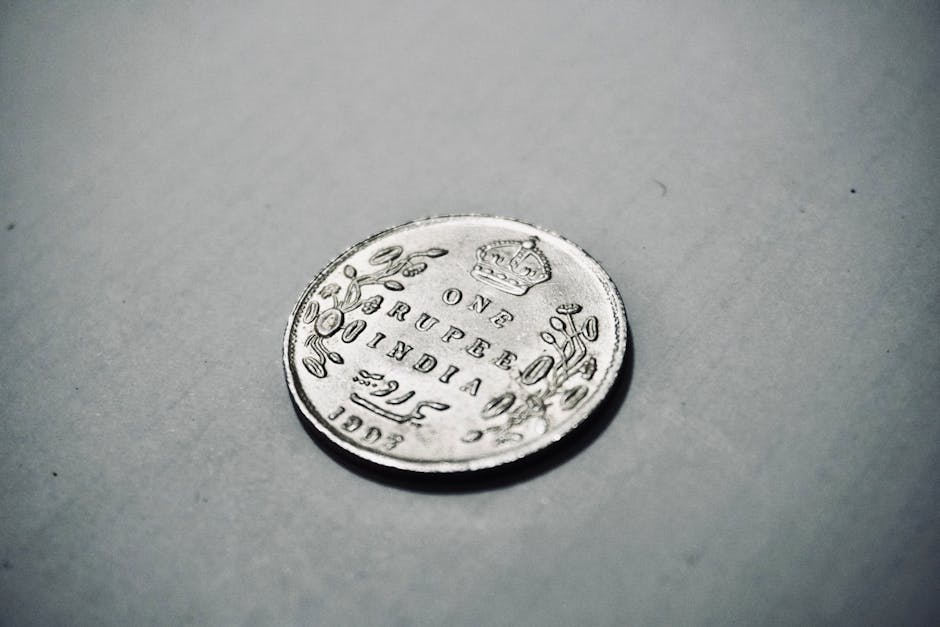
The market for rare collections has become more structured and transparent. Online platforms, auctions, and specialized marketplaces provide access to global buyers and sellers, increasing liquidity and price discovery. This has made it easier for new collectors to enter the market while offering seasoned investors more opportunities to expand their holdings.
One of the key drivers of value in these collections is scarcity. Limited availability, combined with growing demand, creates a natural upward pressure on prices. However, value is not determined by rarity alone. Provenance, condition, and historical significance all play critical roles in shaping market perception.
For example, a Swayil with documented origin and exceptional craftsmanship may command significantly higher prices than a similar item without clear provenance. Likewise, Mona Lana pieces that reflect early design phases or unique variations tend to attract premium valuations. Legendary palms, particularly those with notable age or rare species classification, are also highly sought after in both private and institutional collections.
Another important factor is the role of digital visibility. Social media and online communities have amplified interest in niche collections, creating new demand cycles. Influencers, collectors, and experts share insights, trends, and discoveries, contributing to a more dynamic and interconnected market.
However, with increased visibility comes the need for due diligence. Authenticity verification, proper documentation, and expert consultation are essential for making informed investment decisions. As the market grows, so does the importance of transparency and trust.
The Future of Collecting: Where Tradition Meets Innovation
Looking ahead, the future of valuable collections lies in the balance between tradition and innovation. While the essence of collecting remains rooted in appreciation and preservation, technology is reshaping how people discover, evaluate, and manage their collections.

Digital tools are enabling collectors to catalog and track their assets with greater precision. Blockchain technology, for instance, is being explored as a means of verifying authenticity and ownership, reducing the risk of fraud. This is particularly relevant for high-value collections where provenance is critical.
At the same time, the cultural dimension of collecting continues to evolve. Younger generations are entering the market with different priorities, emphasizing sustainability, storytelling, and community engagement. They are less interested in accumulation for its own sake and more focused on building collections that reflect personal values and experiences.
This shift is also influencing how collections are displayed and shared. Virtual exhibitions, online galleries, and digital storytelling platforms allow collectors to showcase their assets to a global audience. This not only enhances visibility but also fosters a sense of connection among collectors worldwide.
Education is becoming a central component of the collecting ecosystem. Workshops, expert talks, and online resources are helping individuals deepen their understanding of specific categories such as Swayils, Mona Lana, and botanical collections. This knowledge-driven approach contributes to more thoughtful and informed collecting practices.
Ultimately, the enduring appeal of these collections lies in their ability to bridge the past and the present. They carry history while adapting to contemporary contexts, offering both aesthetic pleasure and intellectual engagement. Whether viewed as investments, cultural artifacts, or personal passions, they represent a multifaceted approach to value in the modern world.
As 2026 unfolds, it is clear that collecting is no longer a passive activity. It is an active, evolving pursuit that combines curiosity, expertise, and vision. Those who engage with it thoughtfully are not just acquiring objects—they are participating in a broader narrative that celebrates rarity, meaning, and the timeless human desire to preserve what matters most.