

The idea of identity is undergoing a dramatic transformation in 2026. No longer confined to physical appearance or traditional online profiles, individuals are increasingly exploring new ways to represent themselves in digital spaces. One of the most intriguing developments is the emergence of projects that convert users into NFT-based avatars—unique, blockchain-backed identities that exist across platforms. Among these, the Digital Animals Project has gained attention for its ambitious vision of turning users into personalized digital creatures. As conversations around digital ownership and creative identity expand, platforms like https://blowthoseleaves.com/ are becoming part of a broader ecosystem that supports this shift toward immersive and decentralized self-expression.
At its core, the Digital Animals Project reflects a larger movement within Web3 culture. It combines art, technology, and identity into a single concept: the ability to “become” something entirely new in digital form. Instead of static profile pictures or generic avatars, users can now adopt dynamic, evolving representations that carry both aesthetic and functional value. These NFT avatars are not just images—they are programmable assets that can interact with virtual environments, games, and social platforms.
The timing of this trend is not accidental. As virtual worlds, metaverse platforms, and decentralized communities continue to grow, the demand for unique digital identities has surged. People want avatars that are not only visually distinctive but also verifiably owned. Blockchain technology provides that ownership layer, ensuring that each avatar is unique, transferable, and secure.
The Concept Behind Turning Humans into Digital Creatures
The Digital Animals Project is built on a simple yet powerful idea: reimagining human identity through symbolic, animal-inspired forms. By transforming users into stylized digital creatures, the project taps into both artistic expression and psychological storytelling. Animals have long been used as symbols of personality traits—strength, agility, intelligence—and this concept translates naturally into digital identity.
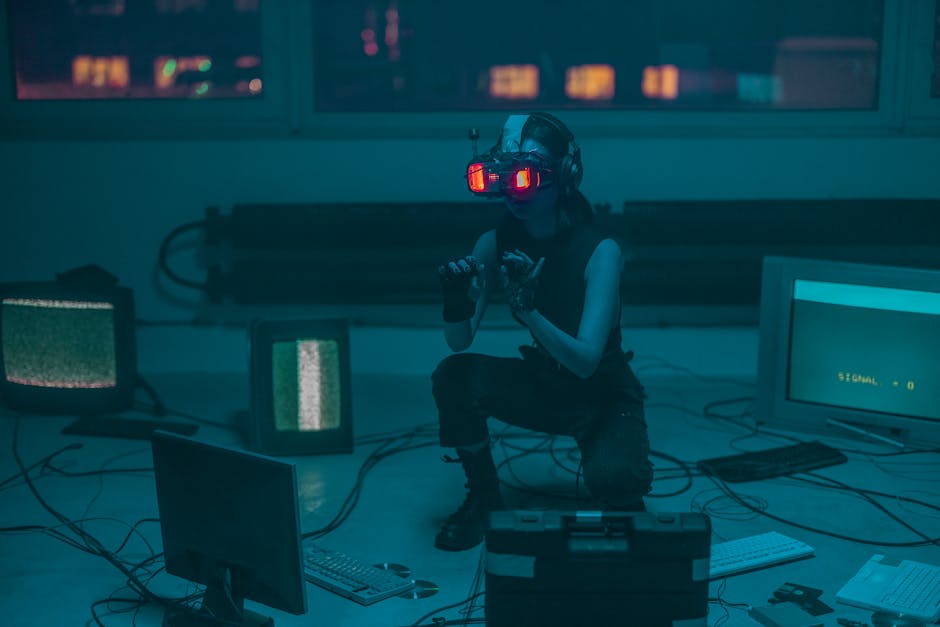
When users join the project, they typically undergo a process that combines customization and algorithmic generation. Traits such as color, form, accessories, and even behavioral attributes can be encoded into the NFT. This creates a unique avatar that reflects both the user’s preferences and the project’s artistic framework.
What sets this approach apart is its emphasis on individuality within a structured system. While the avatars follow a consistent design language, no two are exactly alike. This balance between uniformity and uniqueness is a key factor in the appeal of NFT-based identities. It allows users to feel part of a larger community while still maintaining a distinct presence.
There is also a deeper cultural dimension at play. By adopting non-human forms, users can explore aspects of identity that may not be easily expressed in traditional contexts. This can include creativity, humor, or even anonymity. In many ways, the Digital Animals concept reflects a broader shift toward fluid and multifaceted identities in the digital age.
From a technical perspective, these avatars are more than visual assets. They can be integrated into various applications, including gaming environments, virtual meetings, and social networks. This interoperability is one of the defining features of Web3 identity systems, enabling users to carry their digital persona across multiple platforms without losing ownership or authenticity.
NFT Avatars as Assets, Communities, and Status Symbols
Beyond their creative appeal, NFT avatars have become significant digital assets. Each avatar is minted on a blockchain, giving it a verifiable history and scarcity. This has led to the emergence of a marketplace where users can buy, sell, and trade avatars, sometimes at substantial valuations.

The value of these assets is influenced by several factors, including rarity, design, and community engagement. Projects that successfully build strong communities often see increased demand for their NFTs. This is because ownership is not just about the asset itself—it is also about belonging to a network of like-minded individuals.
The Digital Animals Project appears to be leveraging this dynamic by fostering a sense of community among its users. Holders of these avatars may gain access to exclusive events, digital spaces, or collaborative opportunities. This creates an ecosystem where the NFT serves as both an identity and a membership token.
Status also plays a role in the popularity of NFT avatars. In digital environments, where physical cues are absent, visual representation becomes a key indicator of identity and influence. Owning a rare or highly regarded avatar can signal expertise, creativity, or early adoption within a particular community.
However, this aspect of the trend is not without controversy. Critics argue that the financialization of digital identity can create barriers to entry and reinforce inequalities. High prices may limit access to certain communities, raising questions about inclusivity and long-term sustainability.
Despite these concerns, the market for NFT avatars continues to grow. This suggests that, for many users, the benefits of ownership, creativity, and community outweigh the potential drawbacks. As the technology matures, it is likely that new models will emerge to address these challenges, making digital identity more accessible while preserving its unique value.
The Future of Identity in a Decentralized Digital World
Looking ahead, the rise of projects like Digital Animals points to a future where identity is increasingly decentralized, customizable, and portable. Instead of relying on centralized platforms to define who they are, users will have greater control over their digital presence.

This shift has significant implications for how people interact online. Digital identities could become persistent across platforms, reducing the fragmentation that currently exists between different services. A single NFT avatar could represent a user in social media, gaming, professional networks, and virtual reality environments.
Advancements in technology are likely to enhance this experience further. Integration with augmented reality and virtual reality could allow users to embody their avatars in immersive ways. Artificial intelligence may enable avatars to adapt and evolve over time, reflecting changes in the user’s preferences or behavior.
Privacy and security will also play a crucial role in this evolution. Blockchain technology offers a level of transparency and control that is difficult to achieve with traditional systems. Users can decide what information to share and how their identity is used, reducing reliance on centralized data storage.
At the same time, regulatory and ethical considerations will need to be addressed. Questions around intellectual property, identity verification, and digital rights are becoming increasingly relevant as these technologies gain adoption. Balancing innovation with responsibility will be key to ensuring that the benefits of decentralized identity are widely shared.
Ultimately, the Digital Animals Project is more than just a creative experiment—it is part of a larger movement redefining how people see themselves in the digital world. By blending art, technology, and community, it offers a glimpse into a future where identity is not fixed but continuously evolving.
As digital environments become more integral to everyday life, the ability to shape and own one’s identity will become increasingly important. NFT avatars, with their combination of uniqueness, functionality, and cultural significance, are likely to play a central role in this transformation.