

As the entertainment industry continues to merge with blockchain technology, one of the most iconic science fiction franchises is making a bold move into the digital ownership space. The Matrix, a cultural phenomenon that has shaped discussions around reality, technology, and identity for decades, is now expanding its universe through NFTs ahead of The Matrix Resurrections. This strategic shift reflects a broader transformation in how studios engage audiences in the Web3 era, where fans are no longer just viewers but participants in evolving digital ecosystems. Platforms exploring digital culture, such as https://blowthoseleaves.com/, highlight how this convergence is reshaping media consumption and ownership.
The timing of this NFT initiative is far from accidental. With anticipation building around Resurrections, the franchise is leveraging blockchain to deepen fan engagement and create new forms of storytelling. By offering limited digital assets tied to the Matrix universe, creators are not only capitalizing on hype but also redefining the relationship between intellectual property and its audience. In this context, NFTs are not just collectibles—they are gateways into immersive, decentralized experiences.
The Matrix NFT Launch Reflects a Strategic Shift in Entertainment
The introduction of The Matrix NFTs represents a calculated move by Warner Bros. to align with emerging digital trends. In recent years, NFTs have evolved from niche digital art experiments into a multi-billion-dollar market encompassing gaming, music, and film. By entering this space, the Matrix franchise positions itself at the intersection of storytelling and technology—an area it has long explored thematically.
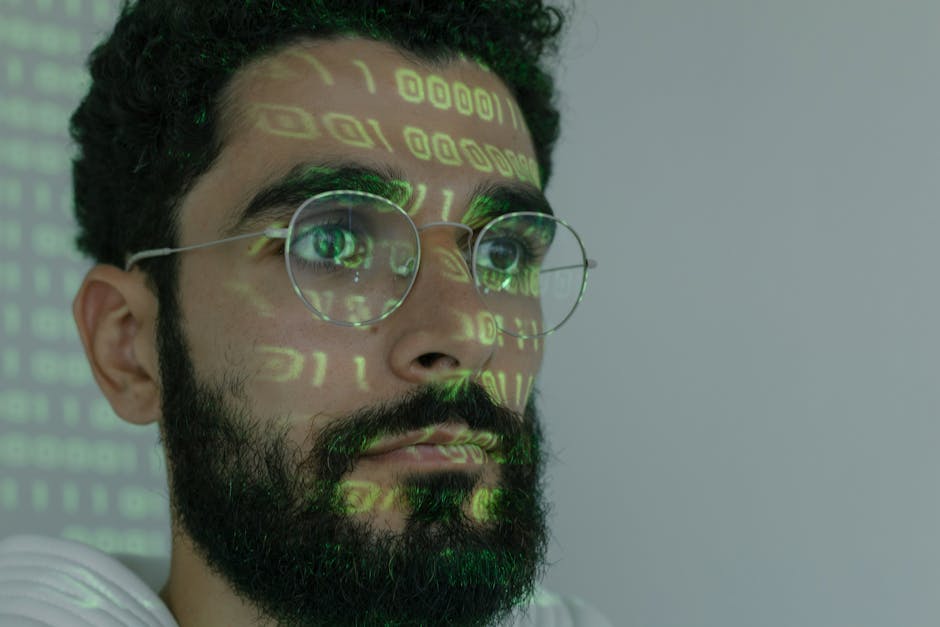
Unlike traditional merchandise, NFTs offer verifiable ownership and scarcity through blockchain technology. Each digital asset is unique or part of a limited series, giving fans a sense of exclusivity that physical collectibles often struggle to replicate. In the case of The Matrix, these NFTs include avatar-based assets that allow users to choose between “red pill” and “blue pill” identities—an iconic reference that resonates deeply with the franchise’s philosophical core.
This interactive element is particularly significant. Rather than passively consuming content, fans are invited to participate in the narrative framework. Their choices can influence how their digital assets evolve, creating a dynamic experience that mirrors the film’s themes of choice and consequence. This approach reflects a broader industry trend toward interactive storytelling, where audiences become co-creators rather than mere spectators.
From a business perspective, NFTs also provide studios with new revenue streams. Beyond initial sales, creators can earn royalties from secondary market transactions. This ongoing monetization model represents a shift away from one-time purchases toward continuous engagement. For a franchise like The Matrix, which already commands a loyal global fanbase, this model has significant potential.
Web3 Technology Is Transforming Fan Engagement and Ownership
The Matrix NFT project is part of a larger movement toward decentralization in entertainment. Web3 technologies enable users to own, trade, and interact with digital assets in ways that were previously impossible. This fundamentally changes the power dynamics between creators and audiences.

In traditional media, ownership is centralized. Studios control distribution, access, and monetization, while fans have limited interaction beyond consumption. NFTs disrupt this model by granting users direct ownership of digital content. This shift empowers fans, allowing them to participate in the value creation process rather than simply contributing to it.
For The Matrix, a franchise that has always questioned systems of control and perception, this transition feels particularly fitting. The narrative parallels between blockchain’s decentralization and the film’s themes of liberation from centralized systems add a layer of conceptual coherence to the project.
Technologically, the NFTs are built on blockchain networks that ensure transparency and security. Each transaction is recorded on a public ledger, eliminating the risk of duplication or fraud. This level of trust is crucial in digital environments where authenticity has historically been difficult to verify.
Moreover, the integration of NFTs with virtual worlds and metaverse platforms opens up new possibilities for interaction. Owners of Matrix NFTs may eventually use their assets in virtual environments, participate in exclusive events, or access additional content tied to the franchise. This creates a multi-layered experience that extends beyond the film itself.
The rise of NFTs in entertainment also reflects changing consumer expectations. Audiences today seek more personalized and immersive experiences. They want to feel connected to the content they consume and to the communities that form around it. NFTs provide a mechanism for building these connections, offering both emotional and economic incentives for engagement.
Cultural Impact and the Future of Blockchain-Driven Storytelling
The Matrix NFT initiative is not just a marketing experiment—it is a cultural milestone that signals the evolving relationship between storytelling and technology. As one of the earliest films to explore virtual reality and simulated worlds, The Matrix has always been ahead of its time. Its entry into the NFT space reinforces its relevance in a rapidly changing digital landscape.

This move also highlights the growing influence of blockchain in mainstream culture. What was once considered a speculative technology is now being embraced by major studios, artists, and brands. The integration of NFTs into high-profile franchises legitimizes the space and encourages wider adoption.
However, the rise of NFTs is not without controversy. Critics point to environmental concerns, market volatility, and questions around long-term value. While many blockchain networks are transitioning to more energy-efficient models, skepticism remains. For projects like The Matrix, success will depend on delivering meaningful experiences rather than relying solely on hype.
Looking ahead, the implications of this shift are profound. If NFTs become a standard component of film releases, they could redefine how stories are told and monetized. Interactive narratives, decentralized distribution, and community-driven content creation may become the norm rather than the exception.
For fans, this represents an opportunity to engage with their favorite franchises in entirely new ways. Ownership of digital assets could grant access to exclusive content, influence creative decisions, or even provide financial returns. This blurring of boundaries between audience and creator is one of the most significant developments in modern media.
In many ways, the Matrix NFT project embodies the very questions the franchise has always posed: What is real? Who controls the system? And what happens when individuals gain the power to reshape their own reality? As blockchain technology continues to evolve, these questions are no longer confined to fiction—they are becoming part of our everyday digital experience.
Ultimately, the launch of The Matrix NFTs ahead of Resurrections marks a pivotal moment in entertainment history. It demonstrates how legacy franchises can adapt to new technologies while staying true to their core themes. More importantly, it signals a future where storytelling is not just consumed but experienced, owned, and continuously redefined by the audience itself.